The narrative is wrong.
Rural communities across Southeastern North Carolina aren’t struggling because they lack potential. They’re struggling because that potential remains invisible to the systems designed to cultivate it.
I’ve spent the last year investigating this disconnect. What I found challenges everything we think we know about rural limitations.
The Real Problem Isn’t What You Think
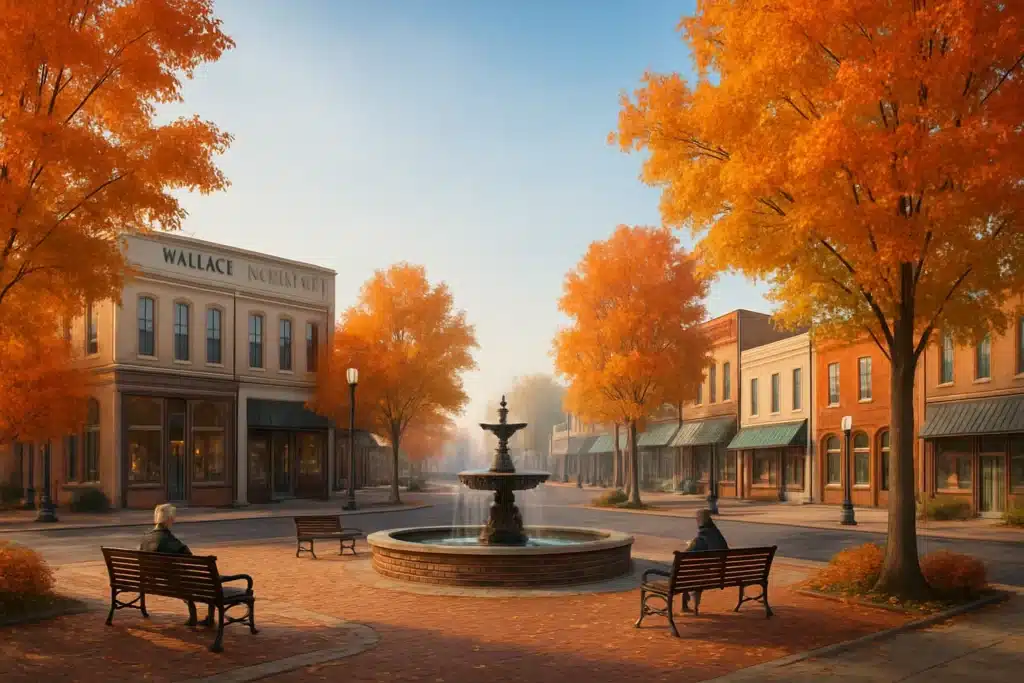
Drive through Wallace, Clinton, or any small town in our region. You’ll see the surface story: empty storefronts, young people leaving, economic uncertainty.
But look closer.
You’ll find residents who’ve solved complex problems with limited resources. People who’ve built businesses from nothing. Individuals who understand community in ways that urban centers have forgotten.
These aren’t accidents. They’re evidence of something powerful that our economic systems consistently overlook.
The Skills Gap Nobody Measures
Traditional education metrics miss the point entirely. They measure compliance, not capability. Standardized tests, not problem-solving under pressure.
Rural residents develop what I call durable skills by necessity. Adaptability when plans fail. Resourcefulness when options are limited. Collaboration when individual effort isn’t enough.
These skills drive innovation in Silicon Valley. They create billion-dollar companies in major cities.
But in rural communities? They’re invisible.
The Investigation Reveals the Pattern
Here’s what I discovered: rural communities don’t lack talent. They lack recognition systems.
The same resident who can troubleshoot farm equipment, negotiate with suppliers, and manage seasonal cash flow gets told they’re “underqualified” for positions requiring those exact skills.
The problem isn’t the skills. It’s the translation.
The Opportunity Framework
This is where everything changes.
When we help residents identify and articulate their existing capabilities, something remarkable happens. Confidence builds. Opportunities multiply. Communities transform.
The framework is simple:
Recognize the durable skills already present.
Develop the language to communicate their value.
Connect those skills to emerging opportunities.
Evolve the approach based on what works.
The Real Investigation Starts Now
I’m not talking about charity or rural development programs that treat communities like problems to be solved.
I’m talking about recognizing rural Southeastern North Carolina for what it actually is: a region full of capable people whose skills have been systematically undervalued.
The question isn’t whether the potential exists. The investigation proves it does.
The question is whether we’ll build the systems to unlock it.
That’s exactly what Skill Spring exists to do. We’re not here to teach rural residents new skills. We’re here to help them recognize the durable skills they already possess and connect those skills to opportunities that matter.
The biggest opportunity in America isn’t hiding in some new technology or distant market.
It’s hiding in plain sight, in communities that have been overlooked for too long.
The investigation is complete. The opportunity is clear.
Now comes the work.